
Replacing your hot water system isn’t something most homeowners think about until it stops working. But when the time comes, choosing the right replacement can make a noticeable difference to your energy bills for years to come.
If you’re comparing heat pump hot water systems with traditional electric storage systems, you’re not alone. Both provide reliable hot water, but they work in very different ways and suit different households.
In this guide, we’ll explain how each system works and compare their running costs, installation requirements, and long-term value so you can make an informed decision for your Melbourne home.
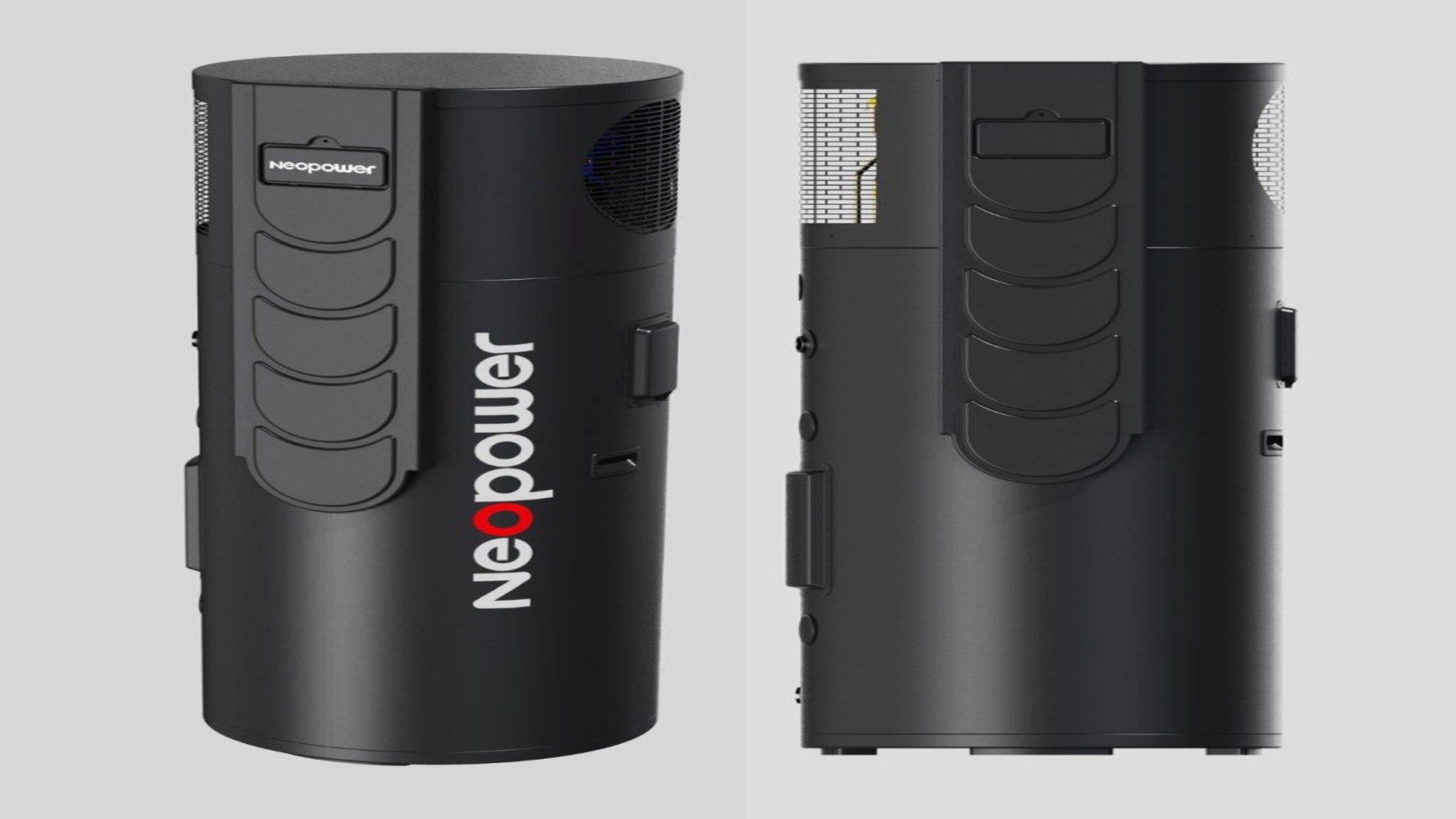
A heat pump hot water system doesn’t generate heat directly. Instead, it captures warmth from the surrounding air and transfers it into the water stored in the tank.
Think of it as working similarly to a reverse-cycle air conditioner—but instead of heating your home, it heats your water.
Because it uses existing heat from the air, it consumes significantly less electricity than conventional electric systems while still delivering reliable hot water.
For many Melbourne households, this translates into lower energy bills without changing daily water usage habits.
A traditional electric hot water system uses an electric heating element inside the storage tank to warm the water.
It’s one of Australia’s most common hot water solutions because it’s straightforward, relatively inexpensive to install, and available in a wide range of sizes.
However, every liter of hot water relies entirely on electricity generated by the heating element, making these systems more expensive to operate over time.
This is where heat pumps stand out.
Instead of creating heat directly, they transfer existing heat from the surrounding air. As a result, they use considerably less electricity than standard electric storage systems under suitable conditions.
Traditional electric systems convert electricity directly into heat, which is effective but far less energy-efficient.
Although electricity prices fluctuate, running costs are generally much lower with a heat pump.
While electric storage systems may cost less upfront, ongoing electricity consumption can outweigh the initial savings over the life of the system.
Households with high daily hot water usage often notice the greatest savings after switching to a heat pump.
Electric storage systems are usually cheaper and quicker to install because they’re replacing like-for-like equipment in many homes.
Heat pump hot water systems generally cost more upfront and may need specific installation conditions, including a well-ventilated outdoor location with sufficient airflow to operate efficiently.
However, many homeowners view the higher upfront investment as worthwhile due to long-term operating savings.
Heat pumps use less electricity, which helps reduce household energy consumption and greenhouse gas emissions.
For homeowners looking to improve energy efficiency or lower their environmental footprint, they are generally the better choice.
Their environmental benefits become even greater when paired with renewable energy.
For example, households investing in solar panel installation in Melbourne can use excess daytime solar energy to power their heat pump, further reducing electricity costs.
Both systems can provide many years of reliable service when professionally installed and properly maintained.
Routine servicing, checking valves, and replacing worn components when necessary can help maximize the lifespan of either option.
Maintenance requirements are generally similar, although heat pumps contain additional mechanical components such as compressors and fans.
For many Melbourne households, heat pump hot water systems offer the strongest balance of efficiency, long-term savings, and environmental performance.
Melbourne’s moderate climate provides suitable conditions for heat pump operation throughout much of the year.
They are particularly well suited if you:
Traditional electric systems still make sense when
Absolutely.
Many homeowners combine heat pumps with solar panel installation in Melbourne to maximize self-generated electricity.
Instead of exporting excess solar energy back to the grid, your hot water system can use that energy during daylight hours.
If your property also includes solar battery installation in Melbourne, stored solar energy can continue powering your hot water system after sunset, improving overall energy independence.
Hot water is only one part of a modern energy-efficient household.
Many Melbourne homeowners now upgrade several systems together, including:
Working with experienced EV charger installers in Melbourne allows homeowners to create an integrated energy solution that reduces reliance on grid electricity while preparing for future energy needs.
Before making your decision, consider:
Larger families generally benefit more from the reduced operating costs of heat pumps.
If reducing ongoing electricity expenses is your priority, heat pumps usually provide better long-term value.
Electric systems are less expensive initially but often cost more to run over time.
If you’re planning solar panels, battery storage, or an electric vehicle, choosing an energy-efficient hot water system complements those investments.
Both electric and heat pump hot water systems provide reliable hot water, but they offer different advantages.
Electric systems remain an affordable choice for homeowners seeking a simple replacement with lower upfront costs.
For homeowners looking to cut energy use, reduce electricity costs, and support a more sustainable lifestyle, a heat pump hot water system is generally the better long-term choice.
Choosing the right system ultimately depends on your budget, household size, and long-term energy goals.
For many households, yes. While installation costs are typically higher, lower electricity usage can help offset the initial investment over time.
Yes. Modern heat pump systems are designed to operate efficiently in cool climates, although performance can vary depending on the model and ambient temperature.
In most cases, heat pump hot water systems have lower running costs because they use significantly less electricity than traditional electric storage systems.
In many homes, yes. A licensed electrician or plumber can assess whether your property is suitable and recommend the best installation approach.
Yes. Pairing a heat pump with rooftop solar is one of the most effective ways to reduce household energy costs and increase energy efficiency.
Volts Electricals is a team of Solar and Battery Electricians, specializing in designing, supplying and installing solar & battery storage systems.
Join the green revolution with Volts Electrics—your trusted partner in solar energy solutions. We provide professional solar panel installation, reliable maintenance, and energy consultations to help you reduce electricity bills and lower your carbon footprint.
Copyright © 2026. All Rights Reserved, Website Designed by Webroot Technologies